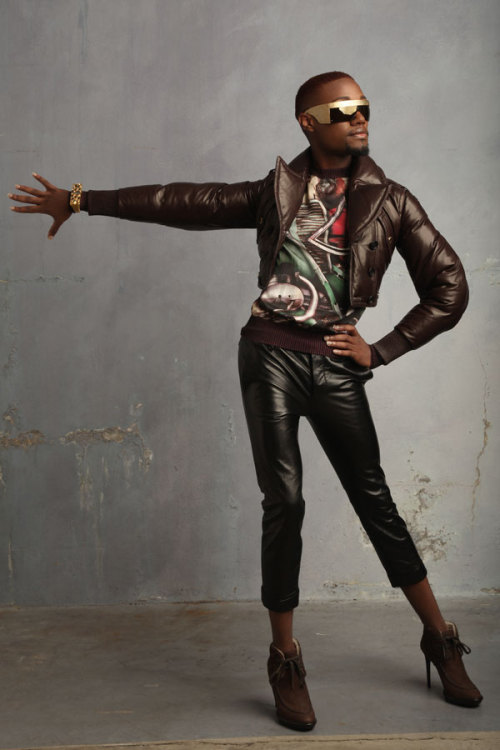
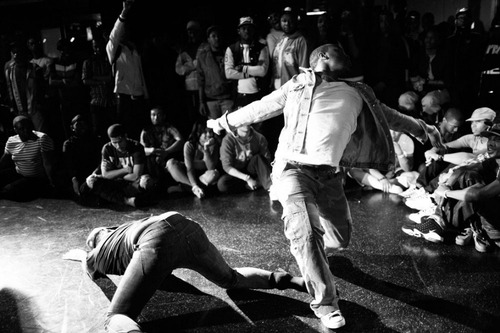
Props to ARIKA and VOGUE'OLOGY for this event, looks incredible!
From the Facebook event page:
BALLROOM HAS SOMETHING TO SAY!!!
Master BallStar Weekend
April 16-21, 2014
The Vogue’ology collective and the collaborators involved in bringing
all these events together are concerned with the history and collective
power of the Ballroom scene as well as what the scene has to say about
issues of fundamental concern to the
liberation struggles of our era, such as poverty, racism, sexual and
gender oppression, and access to housing, healthcare, education and
food. The collective’s overarching goal is to establish the Ballroom
Freedom and Free School, a venue within which the Ballroom community can
investigate and respond to the intersection of oppressions that affects
its members as well as many other communities. This series of events
are being organised to help formulate an initial set of propositions for
the Ballroom Freedom and Free School’s curriculum and structure. Come
and join us.
Wednesday 16th April 2014
Transmen in Conversation - BY INVITE ONLY
Talk The Walk: Transmen and The Ballroom Community Union Theological Seminary
6-9pm
Sponsored by Destination Tomorrow
Thursday 17th April, 2014
Ballroom Town Hall Meeting - OPEN TO ALL
The New School, Lang Café, 65 West 11th Street, between 5th and 6th Avenues
Community meeting to discuss some of the prevalent concerns impacting
the ballroom community. The community has experienced tremendous rates
of death over the past 7/8 years. This meeting is the first in a series
of national community conversations regarding future of the Ballroom
scene.
7-10pm
Friday 18th April, 2014
Literary Reflections of Ballroom - OPEN TO ALL
The Orozco Room, The New School
Rm. A712, 66 West 12th Street
Featuring Marlon Bailey, author of the ethnographic study, Butch Queen
Up in Pumps, Gerard Gaskin, author of the photography book, Legendary,
Dominique Jackson aka Tyra Allure Ross, author of the autobiography, The
Transsexual from Tobago, and Douglas Says, author of The Red Dress,
conversations with the women for whom he has designed.
4:30-6:30pm
http://bit.ly/1ipSiFm
Saturday 19th April 2014
Icon Dinner - BY INVITE ONLY
Holiday Inn
Honoring Icons from Ballroom’s Red Era (1986-1990). This is the era
when Ballroom expanded out of New York to Philadelphia, Baltimore and
DC; new houses were established; and, many elders were lost to AIDS.
6-11pm
Sunday 20th April 2014
Respect the Runway: The Red Carpet to Mastery
OPEN TO ALL - TICKET REQUIRED
The Dome, MoMA-PS1
22-25 Jackson Avenue, Long Island City
Who is called to walk? The list is revealed.
12 noon-6pm
http://bit.ly/1gHXi7e
Sunday 20th April 2014
The Road to Mastery Rumble Ball
OPEN TO ALL
Club Escuelitas
301 W. 39th St
The battles for mastery begins.
Doors Open at Midnight
http://on.fb.me/1lI4B4d
Monday 21st April 2014
Vogue Knights
OPEN TO ALL
Club Escuelitas
301 W. 39th St
The Master Class
http://on.fb.me/PM50aE
Collaborators: Arika, Vogue’ology Collective, NY Black Pride, MoMA PS1, Georgeous Entertainment, Issue Project Room and Destination Tomorrow2
Showing posts with label NYC. Show all posts
Thursday, 17 April 2014
Thursday, 3 April 2014
NICKY SIANO on FRANKIE KNUCKLES (for Thump)
Nicky Siano was one of the original NY disco DJs, setting up and spinning records at the legendary Gallery club from 1972 onwards. He taught Larry Levan how to DJ, and also Frankie Knuckles. Major h/t to Thump for getting him to write a piece about his friend, the man who gave us house music.

Frankie Knuckles (center, in hat) blowing up balloons at the original Gallery location in NYC
Meanwhile, Larry’s career had taken off. The great sound-man Richard Long hired Larry to play his house parties at a spot called the SoHo. And Frankie had taken over Larry’s spot as DJ for the Continental Baths. As Larry blew up, Frankie felt he needed to make his own mark, and an opportunity to move to Chicago unfolded. His life unfolded perfectly when he got there, and he would soon outgrow his role as Larry’s sidekick to become the undisputed Godfather of House music.
It was already 1978. I was playing at Studio 54, then took a few gigs at an after-hours clubs called the Buttermilk Bottom. A year or so went by and I heard that Frankie had secured a job at a new club in Chicago called The Warehouse. But disco was seeing hard days, and many people were crying, “Disco is dead!” I was one of them. The record industry had taken a pure loving idea, and turned it into their cash cow, ruining all its credibility along the way by pushing bad songs with disco banners across their record jackets.
But Frankie was playing a new type of dance music - house. In Chicago, disco fans began a new trend by investing their own money to record a more stripped-down, funkier style of dance music. They immediately brought their records to Frankie, who had a great ear for music, and he picked the hits from the beginning. Sharing them with his NYC counterpart at the Paradise Garage, Larry Levan, the two of them made house music the dominant dance music of the 80s and 90s.
One of Frankie’s production hits was “The Whistle Song,” a house music monster. His name circulated in the industry as “the man with the new sound.” He went on to mix songs for Michael Jackson, Diana Ross, and his version of “Unbreak my Heart” by Toni Braxton has always been my favorite. His name was everywhere, and everyone started calling him - and rightfully so - the Godfather of House. He introduced the world to artists like Jamie Principle and his song “Baby Wants to Ride,” then in 1989 it was Frankie Knuckles presents Marshall Jefferson’s “Move Your Body” - now that’s house music at it’s best!
I took a long break from the music industry to work with People with AIDS from 1984 to 1996. When I came back to play records for Larry Levan’s birthday party at Body and Soul, Frankie was one of the first people I spoke with. We started our friendship up all over again. When he couldn’t play a gig because he was booked too heavily, he would recommend me. By then, he had won a Grammy award for Mixer of the Year, which he would keep out o - the table at his loft in Manhattan. I remember going over, and asking, “Can I hold it for a while?” We laughed hard.
Read the whole piece here.
Frankie Knuckles (center, in hat) blowing up balloons at the original Gallery location in NYC
Meanwhile, Larry’s career had taken off. The great sound-man Richard Long hired Larry to play his house parties at a spot called the SoHo. And Frankie had taken over Larry’s spot as DJ for the Continental Baths. As Larry blew up, Frankie felt he needed to make his own mark, and an opportunity to move to Chicago unfolded. His life unfolded perfectly when he got there, and he would soon outgrow his role as Larry’s sidekick to become the undisputed Godfather of House music.
It was already 1978. I was playing at Studio 54, then took a few gigs at an after-hours clubs called the Buttermilk Bottom. A year or so went by and I heard that Frankie had secured a job at a new club in Chicago called The Warehouse. But disco was seeing hard days, and many people were crying, “Disco is dead!” I was one of them. The record industry had taken a pure loving idea, and turned it into their cash cow, ruining all its credibility along the way by pushing bad songs with disco banners across their record jackets.
But Frankie was playing a new type of dance music - house. In Chicago, disco fans began a new trend by investing their own money to record a more stripped-down, funkier style of dance music. They immediately brought their records to Frankie, who had a great ear for music, and he picked the hits from the beginning. Sharing them with his NYC counterpart at the Paradise Garage, Larry Levan, the two of them made house music the dominant dance music of the 80s and 90s.
One of Frankie’s production hits was “The Whistle Song,” a house music monster. His name circulated in the industry as “the man with the new sound.” He went on to mix songs for Michael Jackson, Diana Ross, and his version of “Unbreak my Heart” by Toni Braxton has always been my favorite. His name was everywhere, and everyone started calling him - and rightfully so - the Godfather of House. He introduced the world to artists like Jamie Principle and his song “Baby Wants to Ride,” then in 1989 it was Frankie Knuckles presents Marshall Jefferson’s “Move Your Body” - now that’s house music at it’s best!
I took a long break from the music industry to work with People with AIDS from 1984 to 1996. When I came back to play records for Larry Levan’s birthday party at Body and Soul, Frankie was one of the first people I spoke with. We started our friendship up all over again. When he couldn’t play a gig because he was booked too heavily, he would recommend me. By then, he had won a Grammy award for Mixer of the Year, which he would keep out o - the table at his loft in Manhattan. I remember going over, and asking, “Can I hold it for a while?” We laughed hard.
Read the whole piece here.
Labels:
Chicago,
disco,
Frankie Knuckles,
house,
Nicky Siano,
NYC,
RIP,
The Gallery
Wednesday, 17 July 2013
PARIS HAS BURNED (New York Times, 1993)
After the death of Angie Xtravaganza in 1993, Jesse Green wrote this piece for the New York Times about the impact of “Paris Is Burning" on the people whose lives it chronicled. Thanks to Matthew Hill for the link.
House of Xtravaganza
Though she was only 27, Angie had been a mother more than a dozen times. Not in the usual way; she was biologically male. “But a mother is one who raises a child, not one who borns it," Hector pointed out. And as mother of the House of Xtravaganza, Angie had taken many rejected, wayward, even homeless children under her wing; she had fed them, observed their birthdays, taught them all about “walking the balls." Competing in categories like High-Fashion Eveningwear and Alexis vs. Krystle, Angie was legendary, a Queen among queens, achieving in fantasy what the world had denied her in reality.
Drag balls, the product of a poor, gay and mostly nonwhite culture, had been held in Harlem since the 1920’s. But it wasn’t until Jennie Livingston’s award-winning documentary, “Paris Is Burning," was released in 1991 that anyone outside that world knew much about them. By then it was almost too late. For Angie Xtravaganza, such fame as she achieved in the two years following the film’s release could not be savored: the AIDS-related liver disease that eventually killed her was already destroying her hard-won femininity. “She had spots all over, like a Dalmatian," Hector said. “And she had to stop taking the hormones that made her look soft, because they’re what really ate her up." In later pictures, you can see the masculine lines of her face re-emerging despite the high collars and makeup.
But it wasn’t just Angie. Before filming was even completed in 1989, her “main daughter," Venus, a frail transsexual who in the movie dreamed of marriage and a home “in the Peekskills," was found strangled under a bed in a hotel. Since then, Kim Pendavis, filmed sewing his costumes, has died of a heart attack though he was only in his 20’s. Of nine featured players, five are gone or going.
Paris is no longer burning. It has burned. And not only because of the casualties. No one needs to go to a ball to see drag anymore: Dame Edna Everage has television specials, Ru Paul mugs on the covers of magazines, fashion shows feature drag acts on the runway. No one needs to go to a ball to see voguing either, not since Madonna gobbled it up, appropriating two Xtravaganzas in the process. Once mainstream America began to copy a subculture that was copying it, the subculture itself was no longer of interest to a wider audience, and whatever new opportunites existed for the principals dried up. After one show last year at the jazz club Sweetwaters, Octavia St. Laurent, for instance, returned to dancing behind glass at the Show Palace. And the balls, which had moved downtown in their moment of fame, have mostly moved back to Harlem.
The film’s critical and financial success should therefore not be taken for the success of its subjects. “The truth is, though I didn’t get rich, I am now a film maker," said Ms. Livingston, 31. “And that’s something I wasn’t before. It doesn’t mean it’s easy to get money. But I am educated and I am white so I have the ability to write those grants and push my little body through whatever door I need to get it through."
And drag queens can’t. “If they wanted to make a film about themselves, they would not be able," said Ms. Livingston, who grew up in Los Angeles and is a graduate of Yale University. “I wish that weren’t so, but that’s the way society is structured." In fact, other than Willi Ninja, the movie’s star dancer, who has stitched together a career including choreography, fashion and music, the characters Ms. Livingston presented remain, at best, where they were when filmed.
Angie Xtravaganza’s memorial made that all too plain. A shrine had been set up in the back of the room: flowers, photographs and, on a pedestal, a pair of Angie’s favorite earrings. Behind them stood a huge funeral wreath, a giant X of blood-red carnations that seemed to stand for more than Xtravanganza. Almost unnoticed was a simple basket of white and purple lilies. “To all who loved Angie," the florist’s card read. It was from Ms. Livingston and her co-producer, Barry Swimar, who were in England to raise money for new projects, including a satirical drama about the way movies depict violence against women.
Perhaps it was just as well they couldn’t attend. There is a lot of anger in the ball world about “Paris Is Burning." Some of it concerns what a few critics have called exploitation: making the lives of poor black and Latino people into a commodity for white consumption. “The complaint is somewhat unfounded," Ms. Livingston said, “as it was largely a gay audience, which included blacks and Latinos, that made the movie successful."
"Anyway," Ms. Livingston continued, “I don’t believe you have to be one thing to make a film about it. I’m white, yes, but I’m an openly queer, female director, and I can’t think of anything more out of the mainstream. I’m sorry, but I do not think I have the same relationship to the ruling class as a straight man."
But most of the anger centers on money. “I love the movie, I watch it more than often, and I don’t agree that it exploits us," said Pepper LaBeija, 44, whose braggadocio and fierce but fey style made him a standout in “Paris Is Burning." “But I feel betrayed. When Jennie first came, we were at a ball, in our fantasy, and she threw papers at us. We didn’t read them, because we wanted the attention. We loved being filmed. Later, when she did the interviews, she gave us a couple hundred dollars. But she told us that when the film came out we would be all right. There would be more coming.
"And that made me think I would have enough money for a car and a nice apartment and for my kids’ education. Because a number of years ago, to please my mother, I took a little break from being a 24-hour drag queen, and so I have a daughter, 15, and a son ready for college. But then the film came out and — nothing. They all got rich, and we got nothing."
Miramax, which released the film, said that “Paris Is Burning" grossed slightly more than $4 million at theaters in the United States. This is not much compared to a Hollywood hit but is exceptional for a documentary that cost only $500,000, including $175,000 for music clearances, to make.
Ms. Livingston would not say how much money she made from the movie. “There was a rumor in the ball world — and this delights me — that I now have a house on Long Island next to Calvin and Kelly Klein," she said. “But the truth is I live about the same as I did, except that I used to be chronically about three months late in paying the rent, and now I’m more or less on time."
STILL, all but two of the movie’s surviving principals — Willi Ninja and Dorian Corey — hired lawyers to try to cash in on the film’s success. The largest claim came from Paris DuPree, who sought $40 million for unauthorized and fraudulent use of her services. Though she is never named on camera and appears for less than three of the movie’s 76 minutes, her 1986 ball, called Paris Is Burning, provided the title for the film and is extensively featured in it. But like all of the others, she had signed a release, and her lawyer dropped the matter.
"There’s no obligation, in a documentary, to pay your subjects," Ms. Livingston said. “The journalistic ethic says you should not pay them. On the other hand, these people are giving us their lives! How do you put a price on that?"
Somehow, she did. Ms. Livingston said that even before the threats of lawsuits, she had decided to pay about $55,000 to 13 performers, based on how long each appeared on screen. And in 1991, after the claims against her had been dropped, the money was distributed.
"I think Jennie has complied with the spirit and with the literal representations she made along the way," said Peggy Brady, a lawyer who represented Ms. Livingston’s production company. “Besides, in our society, we try to encourage the free exchange of information."
Pepper LaBeija was not appeased: “The $5,000 I got was hush money. We didn’t have no choice but to take it. And $1,500 went to my lawyer for doing nothing." He paused, and the musical, swaggering tone familiar from the film returned to his voice. “But at least it brought me international fame. I do love that. Walking down the street, people stop me all the time. Which was one of my dreams doing the drags in the first place.
"What hurts is that I’m famous but not rich. A California magazine said I had sued Miramax and won untold millions and was seen shopping with Diana Ross on Rodeo Drive in a Rolls. But I really just live in the Bronx with my mom. And I am so desperate to get out of here! It’s hard to be the mother of a house while you’re living with your own mother. Why couldn’t they give us $10,000 apiece?"
Ms. Livingston defended the size of the payments. “If they’d been actors in a dramatic film the size of ‘Paris Is Burning,’ they would have made a whole lot less," she said. Of course, if ‘Paris Is Burning’ had been a drama, Ms. Livingston might have earned a whole lot more. As it is, she said she had seen nothing beyond her guarantee. “If we get more money, in all likelihood we’ll distribute more money." Mr. Swimar said. But nothing is likely to smooth Pepper LaBeija’s feathers. If the best documentarian never fully captures her subjects, it’s also true that best subjects never fully accept being captured.
"Oh yes, to this day a lot of the girls hate Miss Jennie, but that’s just greed," said Dorian Corey, by all accounts the star of the movie. She is sitting in a makeshift dressing room at Sally’s II, a drag bar just west of Times Square on 43d Street, applying stage makeup over her street makeup — there’s not much difference — in preparation for her Thursday night show. “Junior LaBeija pitched a bitch in The Amsterdam News, saying he wanted $50,000 because he was the star of the movie. But the Bette Davis money just wasn’t there. I’ll tell you who is making out is those clever Miramaxes. But I didn’t do it for money anyway: I did it for fun. Always have."
She dabbed white greasepaint on her eyelids. “You see I was in show business for years, so when my 15 minutes finally came, it was gravy. And what I got from the publicity tour you couldn’t buy. They paid the hotels and limos. I didn’t even buy cigs; I just signed. I got to be a star! In Boston, the black children were coming up to me with tears in their eyes! It did whet my appetite, and I hoped that crazy little Jennie would have done a sequel, because once you do something big, you want to do it again. But what I got was plenty, and the rest is just bitter onions."
The room in which Dorian would emcee her “Drag Doll Review" was dim and dingy, encrusted with the detritus of many louche incarnations: amorous murals, go-go lights, mirror balls, boudoir lamps. Drag queens of every size and style huddled around the bar, trying to stir up business from average-looking men in dull business attire. From “Paris Is Burning" it might not be evident that this is part of the drag world, too; yet more than one of the movie’s leads can often be found here, looking for customers.
"Welcome to Sally’s II," said Dorian drily. “The original, just down the block, burned down." She narrowed her eyes. “And when this one burns, we’ll move on up the way."
At 55 — “Put me down as 27 and say it’s a two-for-one sale, honey," — Dorian comes from a different age of drag than most of the others in “Paris Is Burning." “These children, it’s a new world now. Most of them make their money turning tricks. It’s that or starve! I myself" — she pulled off her red shift and shimmied into a sequined floor-length magenta dress with rhinestone spaghetti straps — “am lucky to have avoided all that. I’m an old farm girl, from Buffalo, and when you’ve had that healthy beginning, you don’t go the same way."
Dorian slipped into a pair of gold pumps, then poured jewelry from a bag onto the Formica counter. “And today it’s so risky, with the almighty shadow opening the door." She arched one enormous eyebrow in deference to AIDS. “Even I have to the worry. I’ve had such a torrid past. So now I’m a VCR queen, if you know what I’m saying. You don’t have to give a VCR breakfast."
She examined some delicate fake pearl earrings, then rejected them in favor of a pair with four-inch dangling rhinestone strands, which kept falling off. “I’m not trying to look real," she said, getting out the glue. And, true enough, with her platinum wig and elaborate eyes, she looked like a cross between Tina Turner and Barbara Cartland, albeit with stubble in the cleavage of her silicone-enhanced breasts.
"I love all that madness," Dorian said. “Ru Paul, Lypsinka, Liz Smith. But I tell the children to think very serious, and if it’s at all possible avoid the drag life," Dorian said. “It’s a heartache life. If you do pursue it, make sure you get your education, some kind of skill. I always supported myself with my sewing. But the oldest profession is still the easiest, though there’s nothing so pitiful as a 50-year-old prostitute. It’s a one-way street with a very bad end."
But her advice seemed to go as unheeded as her show at Sally’s. Opening with “It’s Today" from “Mame," she had to signal the sound man to turn up the volume in hopes of commandeering attention. Occasionally, when one the patrons did take notice, he would approach Dorian in midsong and stuff some dollar bills down the front of her dress. Dorian didn’t even blink.
She got a better response at Angie’s memorial. It had been a painful afternoon, but when Dorian walked toward the shrine in her fur hat, sunglasses, rain jacket and purse, she was greeted with a huge round of applause. She was, after all, another legendary mother. “It’s O.K., children," she drawled, “because Angie’s got something now that we’ve lost: a little beauty, a little peace. And it’s gonna be hotter and better up there."
Drag is variously explained as destruction of the male within or the female without. For Dorian and for many of Angie’s other mourners, drag is not a means of destruction but of rescue — a little beauty, however perverse and rococo. This is the achievement that Ms. Livingston indelibly recorded: the victory of imagination over poverty. But the victory is Pyrrhic at best. The movie’s title may come from the name of Paris DuPree’s ball, by which she meant only that the competition would be hot, but the phrase itself has a darker history. “Paris brennt?" ("Is Paris burning?") Hitler asked , wondering whether the city had fallen. And though Paris, France survived, the Paris of Ms. Livingston’s movie — and all it depicted — may not.
The mirror ball kept spinning at the Sound Factory Bar. It wasn’t until after 3 o’clock that everyone who wanted to speak had spoken. The crowd went quiet. A man asked everyone to hold hands in a circle. “Remember," he said. “We are all legends."
Labels:
1990s,
aftermath,
documentary,
interview,
NYC,
Paris Is Burning,
vogue
JOEY LABEIJA [CuntMafia/NYC] interview
Part two of an ongoing series about upcoming children. One of the very first people to reach out to CVNT (or Cunt Traxx as it was just called back then), with some very kind words about the music, was Joey LaBeija.
It was only right that I returned the love by interviewing Joey first
for an ongoing series covering upcoming legends. She really is from the
House Of Labeija, bitch, and she’s as talented with a set of CDJs as she
is with a weave or a dip dye.
How is the ballroom/vogue scene in New York right now for you?
The ballroom scene here is really cute. Much respect to everyone involved with Vogue Knights, they really give the children a place to call home. But personally, that isn’t my scene. I joined the House of LaBeija to dj in the name and bring ballroom culture to the underground/warehouse scene that I am involved in. These parties have a VERY mixed crowd and I am usually the only dj that plays vogue beats. Usually, after the first 8 bars of my opening song, a circle opens up, the cunts come out of the woodwork & start dipping. I get such a high from watching them go off.
How did you get into DJing in the first place?
My whole life, I have always sought out some creative outlet. In high school I used to charge kids $50 to distress their jeans. Then I started charging my girlfriends to glue their weaves in. That turned into me going to beauty school and I’ve been doing hair ever since. Once hair became a job for me, I felt uninspired and stagnant so I started making tee shirts with my best friend. That turned into a bit of a success for us, and a consultant friend suggested we grew our brand by throwing parties or learning to dj . A lightbulb went off in my head when he said that because music has always been a huge part of my life and making shirts was getting a bit too expensive. So I bought some equipment and taught myself to dj in my bedroom.
What’s the best place you’ve ever DJed at?
The BEST party I have ever played is a monthly warehouse party in Brooklyn thrown my good friend and sagittarius sister Contessa. Nightlife in New York is so segregated; parties are either gay or straight, house or hip hop. The CuntMafia Warehouse is the only party where all the children harmoniously coexist— blacks, whites, gays, straights, hood rats and hipsters. I really discovered my ‘sound’ through this party, experimenting with music and making sure I play a set that EVERYONE can twerk to. I love Contessa so much for giving us all a place to come together, get wild, and make history.
And the worst?
Now I’m not lying when I say I have never played a bad party here in New York. BUT I will say I have worked for some really TERRIBLE promoters here :)
How did you get inducted into the House of LaBeija?
One day I was talking to my friend (now sister) Jamil about wanting to join a house. We had known each other for a while from the club scene here and started to grow close when I found out he lived just a few blocks away from me. A few weeks after our convo, he and my other sister Celso told me they talked with the Royal Members of the House of LaBeija and that I was going to be inducted the following week. My induction was done on stage in front of a club full of people after the house did a performance. It was the most magical moment in my life.
What are your all time top 3 tracks?
Big Momma Thang by Lil Kim
Back That Azz Up by Juvenile
Knuck If You Buck by Crime Mob
#HoodratProblems
And what’s your current top 3?
The acapella version of Body Party by Ciara is currently on repeat 24/7 for me right now.
No Tea by Pipes
Bubloy by Rizzla & False Witness
What is your favourite hairdo you’ve ever had?
My favorite is my current hair. It’s always some sort of rainbow. I owe my best bud Jenna, I give her free reign to do whatever on my hair and she ALWAYS turns me out. It’s the only thing that makes me feel cunt every day.
And what is the worst?
I used to have this platinum blonde pompadour when I was 18. I also was really into wearing these bright red Sally Jesse Rafael-esque eyeglasses at the time. That whole look was a mess. I wish I could take it all back but I can’t….so instead, I deleted every picture off Facebook.
What’s coming up in the near future for Joey La’Beija?
Right now I am also working with Contessa on making the CuntMafia Warehouse into an even bigger production than what it already has been. Bigger warehouses, new talent, sponsors THE WHOLE NINE YARDS DARLINGGGG. We want to take all the resident dj’s and bring this party around the world. I’m also in the works of planning a European tour in September right now. First stop is most definitely going to be London! See you then?
DEFINITELY!
Joey’s Tumblr is here, and his Soundcloud is here.
Labels:
ballroom,
Cuntmafia,
dj,
hip hop,
house music,
interview,
Joey LaBeija,
LaBeija,
mix,
NYC,
upcoming children
Wednesday, 19 June 2013
DORIAN COREY: The Drag Queen Had a Mummy in Her Closet
Originally posted on Dangerous Minds, Jan 2011
Here’s an interesting aside to the Paris Is Burning post from yesterday. Dorian Corey, the older drag queen featured heavily in the film, kept a mummified corpse in her apartment for an untold amount of years. Shot in the head, wrapped in fake leather and stuffed in a suitcase, it was only discovered after her death.
Figueroa said the body was “half-way” between mummified and decomposed. “When you have all this wrapping no air is getting to it” he explained. “But it is still losing liquid out of its body. So the body sort of floats in its own soup.” The skin was in very bad shape. “It was like very old fabric” Figueroa said. “If you touch it, it’s going to fall apart.” Figueroa spent several days treating the skin so he could take ten fingerprints off it.To this day nobody knows for sure who killed Bobby Worley or why. The full story, from a 1995 issue of New York magazine, can be read here. This is a bona fide legend of the drag scene, so it’s good to finally get the full low down. Or at least as much of it as possible.
...
I asked Figueroa if he thought the person who wrapped the body in imitation leather was trying to emulate the Egyptians. I thought it possible that Dorian Corey was into high camp with dead bodies as well as live ones.
“I don’t think so” he said. “People just wrap a body in whatever is available. It’s just spontaneous. You wrap it up. Then you put it in a suitcase. Then you put it in the closet. Then you just look at it periodically and wish it would go away.”
Thanks to Geoff for digging this out!
Friday, 7 June 2013
MIKE Q [Qween Beat/Fade To Mind] interview
As I mentioned in a previous post, I interviewed a lot of
people for the Boing Boing ballroom article, but I only got to use a
small fraction of that information in the article itself (even though it
rapidly went from 3K words to 5K). I am very grateful to be given time
and info from people at the forefront of the ballroom scene, so I am
going to be post those unpublished interviews in full here on Cunty
blog.
Ballroom DJs don’t come any hotter than MikeQ. Resident at New York’s weekly Vogue Knights party, founder of the Qween Beat collective and recording artist in his own right, he has done more than most to push this sound out into the world at large.
In fact, it was hearing some of his dj mixes that re-ignited my passion for house music, and cemented my love for voguing culture. At a time when it seems like house music has little new ground to cover (deep 90s revival, anyone?) here is something that is genuinely fresh. Mike always brings a new slant to the genre, while making a direct link to the original house sounds I fell in love with as a child in the 80s and 90s. Best of all though, this is house music simultaneously looking forward while going back to its roots - this is dance music for DANCING TO, not for applying redundant arty pretensions to or for falling into a k-hole to.
Vogue culture, and house music, are alive and doing very well. They are not simply sounds and styles stuck in a 20 year old time warp, they are still restlessly pushing forward and Mike is right there at the forefront. Mike was kind enough to answer these questions for me late last year:

How would you describe ballroom culture to someone who has never seen or heard of it?
I would describe it as a long running culture of pure underground talent. A place where people can come and express who they are or who they want to be and not be judged by the outside world. It is a thriving community of greatness and an open outlet for many talents.
How did you first discover and get involved in this scene?
I first discovered the scene in 2003 after I finally visited a LGBT party I had been hearing about in school. That very day (and only for 10 mins) was I exposed to this scene and that was enough to get me started, the rest is history.
How did you get into DJing? Who were your first influences?
Well I got into deejaying totally by mistake. I had finally taken off as a producer of ballroom, I was still very new at it but deejaying just came along with the territory. It was not something I ever wanted to do, and I ended up being the DJ at the same party I first visited.
When did you get into production and who are your main inspirations as a producer? What set-up do you use to produce your tracks and remixes?
I got into production very shortly after being exposed to the scene. I heard this great music and had seen what people do to it, and that just made me want to hear more of it, being that I couldn’t find much of it on my own. Since day one I’ve used a combination of Fruity Loops and Acid Pro, but along with that I use many things as I am still learning, which is a never-ending thing.
How is Vogue Nights going? Can you describe to us what it is like?
Vogue Knights, which is in it’s second year running, is still going strong. This “Vogue Night" came about after 1. The lack of smaller weekly happenings in NY ballroom and 2. Just somewhere for the younger generation to come out and practice their ballroom skills. First part of the night the lights are out and you just hear music and after 2am, they come on and the battles begin.
You’re travelling a lot now - how does the ballroom scene differ in different US cities?
It doesn’t really change in different cities the ballroom scene is one huge scene, same people, same rules. Every state has it’s own chapter but it’s pretty much all connected.
Voguing has been appropriated by the mainstream once before (most notably by Madonna) do you see this happening again?
It’s happening, maybe not as huge, but you’ve got plenty of celebs voguing in or just attending balls, the likes of Queen Latifah, Missy Elliott, Janet Jackson, Beyonce, Rihanna Ashanti, Kelly Rowland. You just gotta look closer.
There have been a few artists lately using some of the language and imagery of ballroom culture in a more mainstream context. What are your thoughts on that?
I don’t at all mind, just if your going to refer to ballroom or try to be relevant to it, at least know your history, know what you are saying. Who, what, why, where, when, and how. And feel free to attend a ball. Otherwise I’m gonna be there like “wtf?"
Who and what is Qween Beat? How did QB come about and what’s coming up in the near future?
Qween Beat is My Label/Team of DJ’s Producers, MCs, Video Artists & More. It originally started in 2005 as just a name for me to put my music under, I then got my first member Gregg Evisu and I’m up to 15 members now. We area collective of ballroom music makers getting ready to take the world by storm. You can expect our first release In the early part of 2013, and many soon after.
Thanks Mike! If you haven't heard/got it already, this is Mike's debut release from 2012 on Fade To Mind:
And this Fact magazine mix is still basically a crash course in all you need to know about Ballroom, as well as a huge mix for me personally, re-invigorating my love of house music with its forward thinking tracks, and a definite inspiration for my own CVNT productions:
Ballroom DJs don’t come any hotter than MikeQ. Resident at New York’s weekly Vogue Knights party, founder of the Qween Beat collective and recording artist in his own right, he has done more than most to push this sound out into the world at large.
In fact, it was hearing some of his dj mixes that re-ignited my passion for house music, and cemented my love for voguing culture. At a time when it seems like house music has little new ground to cover (deep 90s revival, anyone?) here is something that is genuinely fresh. Mike always brings a new slant to the genre, while making a direct link to the original house sounds I fell in love with as a child in the 80s and 90s. Best of all though, this is house music simultaneously looking forward while going back to its roots - this is dance music for DANCING TO, not for applying redundant arty pretensions to or for falling into a k-hole to.
Vogue culture, and house music, are alive and doing very well. They are not simply sounds and styles stuck in a 20 year old time warp, they are still restlessly pushing forward and Mike is right there at the forefront. Mike was kind enough to answer these questions for me late last year:
How would you describe ballroom culture to someone who has never seen or heard of it?
I would describe it as a long running culture of pure underground talent. A place where people can come and express who they are or who they want to be and not be judged by the outside world. It is a thriving community of greatness and an open outlet for many talents.
How did you first discover and get involved in this scene?
I first discovered the scene in 2003 after I finally visited a LGBT party I had been hearing about in school. That very day (and only for 10 mins) was I exposed to this scene and that was enough to get me started, the rest is history.
How did you get into DJing? Who were your first influences?
Well I got into deejaying totally by mistake. I had finally taken off as a producer of ballroom, I was still very new at it but deejaying just came along with the territory. It was not something I ever wanted to do, and I ended up being the DJ at the same party I first visited.
When did you get into production and who are your main inspirations as a producer? What set-up do you use to produce your tracks and remixes?
I got into production very shortly after being exposed to the scene. I heard this great music and had seen what people do to it, and that just made me want to hear more of it, being that I couldn’t find much of it on my own. Since day one I’ve used a combination of Fruity Loops and Acid Pro, but along with that I use many things as I am still learning, which is a never-ending thing.
How is Vogue Nights going? Can you describe to us what it is like?
Vogue Knights, which is in it’s second year running, is still going strong. This “Vogue Night" came about after 1. The lack of smaller weekly happenings in NY ballroom and 2. Just somewhere for the younger generation to come out and practice their ballroom skills. First part of the night the lights are out and you just hear music and after 2am, they come on and the battles begin.
You’re travelling a lot now - how does the ballroom scene differ in different US cities?
It doesn’t really change in different cities the ballroom scene is one huge scene, same people, same rules. Every state has it’s own chapter but it’s pretty much all connected.
Voguing has been appropriated by the mainstream once before (most notably by Madonna) do you see this happening again?
It’s happening, maybe not as huge, but you’ve got plenty of celebs voguing in or just attending balls, the likes of Queen Latifah, Missy Elliott, Janet Jackson, Beyonce, Rihanna Ashanti, Kelly Rowland. You just gotta look closer.
There have been a few artists lately using some of the language and imagery of ballroom culture in a more mainstream context. What are your thoughts on that?
I don’t at all mind, just if your going to refer to ballroom or try to be relevant to it, at least know your history, know what you are saying. Who, what, why, where, when, and how. And feel free to attend a ball. Otherwise I’m gonna be there like “wtf?"
Who and what is Qween Beat? How did QB come about and what’s coming up in the near future?
Qween Beat is My Label/Team of DJ’s Producers, MCs, Video Artists & More. It originally started in 2005 as just a name for me to put my music under, I then got my first member Gregg Evisu and I’m up to 15 members now. We area collective of ballroom music makers getting ready to take the world by storm. You can expect our first release In the early part of 2013, and many soon after.
Thanks Mike! If you haven't heard/got it already, this is Mike's debut release from 2012 on Fade To Mind:
And this Fact magazine mix is still basically a crash course in all you need to know about Ballroom, as well as a huge mix for me personally, re-invigorating my love of house music with its forward thinking tracks, and a definite inspiration for my own CVNT productions:
Labels:
ballroom,
Fade To Mind,
Mike Q,
NYC,
Qween Beat,
vogue,
vogue knights,
voguing
Thursday, 6 June 2013
PAPER MAG Ballroom shoot
Looking for pics of Pony Zion for the Arika preview (below) I came across this PAPER MAG fashion shoot/interviews with NYC ballroom children. It's an excellent piece, and well worth reading, but here's the photos:
BONUS!
Here's a short video clip from the shoot, speaking to some of the models:
BONUS!
Here's a short video clip from the shoot, speaking to some of the models:
Saturday, 1 June 2013
Welcome to the Ballroom, where Voguing is always in style
Originally published by BoingBoing.net, March 2013.
Mention the word "voguing" to people, and generally their first reaction will be “strike a pose, there’s nothing to it". A dance fad made popular by Madonna in the early Nineties but invented in the New York City gay underground years before, voguing faded into obscurity as quickly as it popped into the mainstream. It’s good for nostalgic giggles, though: we’ve all seen that clip of "Vogue Boy" voguing in a shopping mall. But what if I were to tell you—like a big, gay Morpheus—that vogue was not a short-lived fad? Voguing is now part of a complex, diverse, fully-formed and constantly evolving underground culture called ballroom.
To be clear, “ballroom" takes it name from the venues in which the “ball" events take place, and is not to be confused with the “strictly" kind of ballroom. Like hip hop, ballroom encompasses many different elements of artistic expression, from music and language to clothes and design, and, of course, dance. It deals directly with some of society’s most controversial issues, namely sexuality, race, class, gender roles and expression, beauty modes, self-definition and competition. It doesn’t do this in the polemical style we may be used to from punk and political hip-hop, however, where topics are theorised and discussed. In ballroom these issues are lived and experienced, as a vast number of those taking part in this underground scene are transgender, working class, people of colour.
Ballroom includes society’s most marginalised: minorities within minorities within minorities, for whom voguing and ballroom culture is an important resource. In a world where they have been rejected, ballroom not only accepts these people for who they are, it celebrates them, in a variety of unique and different categories. The competitive, prize-winning aspect of ballroom gives some participants a sense of worth lacking in the “real" world (not to mention money), and the familial structure of the “houses"—mother, father, sister, brother—often acts as a real surrogate, as many in this world have been disowned by their biological families.
Here, voguing is not just a dance, and ballroom is not just a genre. It’s a way of life that brings pride, peer recognition and self-respect. The genre of music is one thing, but the culture which surrounds it is another; and both are intricately tied into one another.
Then there is “runway" which is both the term for the space on which vogue battles usually take place at a ball (though they can also happen in a designated space on a busy club dancefloor) and a category in and of itself, based on traditional fashion runway modelling. To compete at a vogue ball is most often called “walking" and walking runways is not all about dancing. The “face" category means exactly that: who has the best looking face. Male and female modes are described as “butch" and “femme", though pretty much everyone is a “queen", and the ability to pass convincingly as something you are not (a straight thug, a biological woman) is called “realness". So "Femme Queen Face" is a category for those with the prettiest feminine features, while "Pretty Boy Realness: Andre 3000" requires competitors to look and act as much like Andre 3000 as possible. While traditional beauty modes are aspired to by many in ballroom, it is not exclusive. There are categories for the plus size, with some of the most popular voguers being “big girls". The categories at balls are labyrinthine, I can’t possibly cover them all here. There’s just not enough room, and honestly, I don’t truly understand all of them myself yet. The general ethos of ballroom, however, is essentially “be yourself" and “work with what you’ve got".
As these terms and categories suggest, voguing (and ballroom culture in general) is highly feminised. Males are regularly referred to as “she" and many “butch queens" perform “in drags", while some butch queens go further with their gender expression, and through the process of gender re-assignment, become “femme queens". In fact, “Vogue Femme" is generally how the current, athletic style of voguing is classified. This is in stark contrast to the hypermasculine, heteronormative and often misogynistic modes of mainstream hip-hop and the dance cultures that surround it. But make no mistake, just because it is feminine, does not mean it is in any way weak or passive. No, quite the contrary, vogue femme is decidedly aggressive, in your face and challenging.
Ballroom culture and voguing has become an integral part of the black gay urban experience, even though it is not quite recognised as such by the mass media (where, ironically, voguing’s influence is very strongly felt in styling and dance). Perhaps the celebration of the feminine and the queer goes against mainstream modes of how “hip-hop" (and by extension “black culture") is sold to a white audience, but ballroom serves as an important rights of passage none the less. While preparing this article I emailed the house music vocalist Shaun J Wright (a Chicago native who has worked with Hercules & Love Affair, Kiki and Stereogamous) to ask about his own personal experience of the ballroom scene. His answers are brilliant and articulate (I hope to publish this full interview with Shaun some time soon) and go very far in explaining to outsiders how this scene works and what it can mean to the participants:
So to the music, which as I mentioned is intricately linked to the dancing, and shares the same in-your-face spirit. One of the most exciting things about the ballroom genre for me, as a producer and a dj, is that it is house music that has a real connection to a living, breathing dance floor. That’s something that has been lacking in the genre for pretty much a decade now, with its emphasis on a cerebral appreciation of “texture" and “space" (think cosmic and minimal, which seem to appeal more to stoners and k heads than to actual dancers). By contrast, ballroom is brash, complex and busy. It can get minimal at times, but with the emphasis still very much on the beat and the percussion, giving the dancers and battlers more than enough to work with. Importantly, it still has very close ties to its roots in New York-based soul/disco and 80s/90s drag queen/diva house. In other words, the original cultures that inspired it.
So how does ballroom music differ from traditional house? Well, while there is a steady kick drum similar to that of house and disco, there is a different feel to the rhythm, and it’s one that can be appreciated most fully on the dancefloor. Traditionally, house music is built up as layers of loops and rhythms created on drum machines and synths. Ballroom, like much American dance music which has emerged since the turn of the century, takes its cues not from steady loops but from rhythms punched out on the pads of an MPC sampler. This gives the music a more staccato feel, similar to the difference between a loop-based hip-hop track from the 90s, and a jerky, Timbaland/Neptunes-style production from ten years later.
Whereas house has a stepping rhythm, a “one-and-two-and-one-and-two" (which comes from disco and feels akin to walking), ballroom rhythms place less emphasis on the “two" and sound more like “one-and-ONE-and-one-one-ONE" (a rhythm more suited to punching or jumping, and which is perfect for a dance that requires landing in different poses in rapid succession). It’s a similar 5-kicks-to-a-bar rhythm to that found in Jersey Club music, which is a close relation to ballroom, and also Baltimore Club, though B-More places more emphasis on sampled breakbeats. That’s not to say that there is no snare. The emphasis on the “one" is often backed up by snare and clap patterns that accentuate every kick in a bar, the type also found in ghetto tech and trap, often using similar 808-based drum sounds. Snare patterns are an important part of the ballroom sound, and the dancers’ reaction to the music, as are large cymbal crash sounds, used by the dancers for posing and “dipping".
Unfortunately, I am limited by space to giving a short rundown of the top producers in ballroom (many of whom I have interviewed for this piece, and whose interviews I hope to publish in full at another time).. So here’s my brief, condensed guide to ballroom acts: DJ Vjuan Allure of Elite Beatz is the grandaddy of this whole scene, having started producing vogue beats in the late 1990s. A clubber since the age of 12, he was initially inspired by Junior Vasquez, but sites DJ Sedrick from Washington DC, with his more brutal, hyped and energetic style, as his main production influence. The foremost spinner of ballroom right now is DJ MikeQ, resident DJ at the weekly Vogue Knights party in New York (probably the number one destination for voguers outside of the bigger, less regular, ball events in the city). Last year MikeQ put out the Let It All Out EP on the highly respected Fade To Mind label, and is also head of the Qween Beat stable, home of many up and coming legends in the scene.
Another aspect of ballroom music is the commentator, who is basically an MC, though the style of MCing used in ballroom differs from pretty much any other genre. It often includes specific shouted chants featuring the names of popular dancers, as well as commands for them to do specific moves on the runway/dancefloor to be judged on, or specific categories for participants to walk in. To get a taste of what the aggressively camp ballroom commentating style is like, start with the YouTube channel of the legendary Kevin JZ Prodigy, who has hundreds of clips demonstrating his style, or check out the Soundcloud page of Divoli S’Vere. to see how producers are getting imaginative in the programming of chants.
Moving away form the already established legends, there s also a whole slew of upcoming talent bubbling away. Worth checking out are the Jersey-influenced productions of Beek, who has just released a new, self-titled four-track EP through Vibedeck, commentator/producer Sugur Shane (his new mixtape My Night With Peter And Junior can be heard here), and the genderfluid B Ames, who produces tracks at a frightening rate, and whose sound pushes vogue music in a different, more R&B influenced direction. Outside of the actual ballroom battling scene, the sound is becoming more and more influential, and can be heard in electronica acts like Ynfynyt Scroll (of the Track Meet parties and #FEELINGS label from Austin), the highly respected British DJ Bok Bok of Night Slugs (check out his remix of Grand High Priest ft Dajae) and CVNT TR4XXX from the UK (more on that particular act in a bit).
Like many other contemporary dance genres, ballroom has cultivated a very strong Soundcloud network of fans and producers, with remixes and new tracks appearing on the site at a very fast rate. And like many American urban/electronic/dance genres, ballroom has its own big signature tracks. The two most recognisable types of ballroom/vogue track are the “Ha", and the “Cunt". I’ll get to the cunt (or kunt or even ckunt, as it is spelled) in a little bit, but let’s start with the Ha.
The “cunt" on the other hand, is a track which samples the word “cunt" by a commentator or MC, or samples the classic house track "The Feeling (Cunty)" by Rageous Featuring Kevin Aviance, in which NY clubland legend Aviance uses the phrase “county" to very dramatic effect. In contrast to the “Ha", “cunt" samples tend to be chopped up and spat out rapidly, relating more to hand or hair movement than dips or showcase moves such as balletic spins. As for the word itself, which is obviously very loaded with pejorative meaning, in the world of ballroom (and world of drag at large) it is used instead as praise.
I mention this not as a ploy for publicity, but to explain how the influence of voguing and ballroom culture has extended far beyond Harlem, and even the United States, at a time when there’s a lot of talk of outsiders infiltrating the scene and betraying one of its core foundations: realness. Being based in the UK, and not New York/New Jersey/Atlanta/America, technically I AM an outsider. However, house music has always been popular in the UK, and by dint of that, so has vogueing and the NY black/latino/gay/trans/drag underground. Cutting edge house was like pop music when I was growing up in the 80s and 90s ("Deep In Vogue" was one of the first singles I ever bought, and to this day it remains my favourite ever music video) so house music culture doesn’t feel alien to me, it IS my realness. “House" is how I describe what I produce and what I DJ, and seeing ballroom bring so much energy and excitement to this sometimes stagnant genre is a beautiful thing.
Yet while I have connected to ballroom culture most strongly because of the music, that’s not the element that has given me the most inspiration. You see, even though I have been producing music for the last 15 years, it’s only since I reconnected with voguing and ballroom that I feel my music has come into its own. Like those children walking runways, ballroom has taught me. Watching the dancers, seeing them work and thinking about their movements has given me real focus and purpose for creating my music. As I stated previously, ballroom is music for dancing to, and ballroom has reminded me of my primary focus as a dance music producer. It has taught me how to bring it, and how to reach my full potential. The personal importance of this for me is hard to explain on paper, especially if the reader has no experience of the challenges of writing or producing music, and even then in a much maligned, seemingly “throwaway" genre like house. Believe me when I tell you, though, that it is a spiritual thing.
Aside from making music, I’ve dj’ed at balls in London (Horse Meat Disco’s Vauxhall Is Gurning), Glasgow (The Fierce Ruling Divas Ball) and Manchester (Vogue Brawl). While us basic bitches might not match up to the status of the US children, what we are doing is being true to ourselves, and keeping it real. We’re showing a lot of love for the original pioneers and participants in New York and all across America, and even though our thing might look different, as long as it’s done with respect, honesty and love, that should be what really matters. At the end of the day, I’m not sure if we’re going to see another “Madonna moment" with vogue and ballroom culture crossing over into the mainstream again, mainly because I just don’t see who could take it to the charts but retain the credibility (Beyonce is the only one who springs to mind.) If that does happen, though, surely it should be the dancers/producers/designers/commentators/artists themselves who control how they are depicted and how the scene is represented? I will leave the final words, on the expansion and development of ballroom culture to the scene’s original pioneers:
Mention the word "voguing" to people, and generally their first reaction will be “strike a pose, there’s nothing to it". A dance fad made popular by Madonna in the early Nineties but invented in the New York City gay underground years before, voguing faded into obscurity as quickly as it popped into the mainstream. It’s good for nostalgic giggles, though: we’ve all seen that clip of "Vogue Boy" voguing in a shopping mall. But what if I were to tell you—like a big, gay Morpheus—that vogue was not a short-lived fad? Voguing is now part of a complex, diverse, fully-formed and constantly evolving underground culture called ballroom.
To be clear, “ballroom" takes it name from the venues in which the “ball" events take place, and is not to be confused with the “strictly" kind of ballroom. Like hip hop, ballroom encompasses many different elements of artistic expression, from music and language to clothes and design, and, of course, dance. It deals directly with some of society’s most controversial issues, namely sexuality, race, class, gender roles and expression, beauty modes, self-definition and competition. It doesn’t do this in the polemical style we may be used to from punk and political hip-hop, however, where topics are theorised and discussed. In ballroom these issues are lived and experienced, as a vast number of those taking part in this underground scene are transgender, working class, people of colour.
Ballroom includes society’s most marginalised: minorities within minorities within minorities, for whom voguing and ballroom culture is an important resource. In a world where they have been rejected, ballroom not only accepts these people for who they are, it celebrates them, in a variety of unique and different categories. The competitive, prize-winning aspect of ballroom gives some participants a sense of worth lacking in the “real" world (not to mention money), and the familial structure of the “houses"—mother, father, sister, brother—often acts as a real surrogate, as many in this world have been disowned by their biological families.
Here, voguing is not just a dance, and ballroom is not just a genre. It’s a way of life that brings pride, peer recognition and self-respect. The genre of music is one thing, but the culture which surrounds it is another; and both are intricately tied into one another.
"Ballroom is a competition where you have houses (teams) that compete against each other, much like a sports team, except the competition in fashion, dance, runway, modelling, creativity and other categories. It is still usually an underground thing attended by people in the scene, though some outside the scene get glimpses of it. It is hard to follow unless you actively participate in it, or attend these functions." — DJ Vjuan Allure (Elite Beats)
"Ballroom a long running culture of pure underground talent. A place where people can come and express who they are or who they want to be and not be judged by the outside world, it is a thriving community of greatness and an open outlet for many talents." — DJ MikeQ (Qween Beat)To quote the late, great Willi Ninja, who is perhaps the greatest voguer the world has yet seen, voguing is like a challenge dance: instead of fighting you take it out on the dancefloor. Depending on who you ask, this uniquely stylised dance form arose either amongst the inmates of Ryker’s Island, or at gay Harlem dance parties in the sixties (it’s most probably a mixture of both). Voguing got its name from Vogue magazine, as the competing dancers would flip to pictures of models posing, and imitate them, trying to outdo each other in the process. As it developed the dancers became quicker and more agile, and incorporated other forms of dance such as waacking (high speed arm movements and hand gestures) and body popping (though some say that voguing actually pre-dates popping, and was itself an influence on the original b-boys). Fast forward to 2013 and voguing has come a long way, progressing through the styles of old way, new way, femme and dramatics, to today’s almost hyperactive, turbocharged version of the dance. Although key elements of old way voguing remain (posing, “face"), a much more frantic and stylised choreography takes precedence, with signature moves such as the dip (when a dancer falls flat on their back), the duck walk and hair control (using long hair as stylistic element of the dance, in essence whipping it back and forth).
Then there is “runway" which is both the term for the space on which vogue battles usually take place at a ball (though they can also happen in a designated space on a busy club dancefloor) and a category in and of itself, based on traditional fashion runway modelling. To compete at a vogue ball is most often called “walking" and walking runways is not all about dancing. The “face" category means exactly that: who has the best looking face. Male and female modes are described as “butch" and “femme", though pretty much everyone is a “queen", and the ability to pass convincingly as something you are not (a straight thug, a biological woman) is called “realness". So "Femme Queen Face" is a category for those with the prettiest feminine features, while "Pretty Boy Realness: Andre 3000" requires competitors to look and act as much like Andre 3000 as possible. While traditional beauty modes are aspired to by many in ballroom, it is not exclusive. There are categories for the plus size, with some of the most popular voguers being “big girls". The categories at balls are labyrinthine, I can’t possibly cover them all here. There’s just not enough room, and honestly, I don’t truly understand all of them myself yet. The general ethos of ballroom, however, is essentially “be yourself" and “work with what you’ve got".
As these terms and categories suggest, voguing (and ballroom culture in general) is highly feminised. Males are regularly referred to as “she" and many “butch queens" perform “in drags", while some butch queens go further with their gender expression, and through the process of gender re-assignment, become “femme queens". In fact, “Vogue Femme" is generally how the current, athletic style of voguing is classified. This is in stark contrast to the hypermasculine, heteronormative and often misogynistic modes of mainstream hip-hop and the dance cultures that surround it. But make no mistake, just because it is feminine, does not mean it is in any way weak or passive. No, quite the contrary, vogue femme is decidedly aggressive, in your face and challenging.
Ballroom culture and voguing has become an integral part of the black gay urban experience, even though it is not quite recognised as such by the mass media (where, ironically, voguing’s influence is very strongly felt in styling and dance). Perhaps the celebration of the feminine and the queer goes against mainstream modes of how “hip-hop" (and by extension “black culture") is sold to a white audience, but ballroom serves as an important rights of passage none the less. While preparing this article I emailed the house music vocalist Shaun J Wright (a Chicago native who has worked with Hercules & Love Affair, Kiki and Stereogamous) to ask about his own personal experience of the ballroom scene. His answers are brilliant and articulate (I hope to publish this full interview with Shaun some time soon) and go very far in explaining to outsiders how this scene works and what it can mean to the participants:
"My entry into the ballroom scene was quite lengthy. I was familiar with some of the elements of ballroom culture because I would sneak into black, gay clubs in Chicago when I was 15. There would be vogueing and runway battles occurring in the club but I didn’t attribute those things specifically to ballroom. Around the same time I viewed "Paris Is Burning" and it helped me to make connections between what I was seeing in the clubs and the balls, which were still a great mystery to me. When I ventured to Atlanta to attend college I began to learn how to vogue by watching voguers in the club. I would test out my new moves and a few houses took notice.
I attended my first ball in the summer of 2001 in Chicago. It was a really crowded ball with participants from around the country and I was extremely impressed and also a bit confused. I still remember that night in a hazy manner. Though I had been clubbing for about four years by then, balls were something different altogether. The energy just swept through the room and I was never quite sure if my eyes were seeing the events as accurately as they were occurring. It would take attending a few more balls before I was able to process their intensely complex dynamics.
What left the greatest impression that night was watching Legendary Mother Leonard “Lisa" Escada Mugler (R.I.P.) destroy Butch Queen Face. I recall him walking to the judges panel and sending every other competitor on their way without a single vote. All I could hear from the commentator was, “1 Escada, 2 Escada, 3 Escada…". I decided at that moment that I wouldn’t even consider joining another house. I wanted to be apart of a crew that had that type of mother. I decided to join the House of Escada as most of my friends were already members and it felt like a natural fit."Ah, Paris Is Burning. For all intents and purposes, this 1991 documentary feature by director Jennie Livingston is Vogue Culture 101, featuring as it does some of the original legends of the scene like Pepper La’Beija, Angie Xtravaganza, Octavia St Laurent and Willi Ninja, as well as some brilliant footage from various Harlem balls in the 80s. Paris Is Burning’s influence has grown much stronger and since its initial release, and the film has amassed a cult following like practically no other documentary I can think of (it recently topped a PBS poll of the best documentaries of all time, and by a very wide margin). The film has introduced a wide audience to the language, style, music and culture of vogue, though as Shaun Wright is keen to point out, it shouldn’t be taken as the be-all-and-end-all of ballroom culture. The 2005 documentary How Do I Look acts as a kind of riposte to Paris Is Burning, going further into ballroom culture and featuring some Paris Is Burning cast members who felt they weren’t portrayed fairly. The main source for modern ballroom footage is unquestionably the YouTube channel Ballroom Throwbacks, which has been grabbing and uploading candid footage of modern balls for a few years now. Also worth watching is The Luna Show, in which Butch Queen Face legend Luna Khan hosts some great short interviews with many stars of the ballroom scene, both upcoming and legendary. Luna’s not shy about asking many of the dancers to explain their gender transitioning process, and by seeking advice for any kids watching who may have similar feelings, The Luna Show acts as a valuable—if under-acknowldged—resource for the transgender community.
So to the music, which as I mentioned is intricately linked to the dancing, and shares the same in-your-face spirit. One of the most exciting things about the ballroom genre for me, as a producer and a dj, is that it is house music that has a real connection to a living, breathing dance floor. That’s something that has been lacking in the genre for pretty much a decade now, with its emphasis on a cerebral appreciation of “texture" and “space" (think cosmic and minimal, which seem to appeal more to stoners and k heads than to actual dancers). By contrast, ballroom is brash, complex and busy. It can get minimal at times, but with the emphasis still very much on the beat and the percussion, giving the dancers and battlers more than enough to work with. Importantly, it still has very close ties to its roots in New York-based soul/disco and 80s/90s drag queen/diva house. In other words, the original cultures that inspired it.
So how does ballroom music differ from traditional house? Well, while there is a steady kick drum similar to that of house and disco, there is a different feel to the rhythm, and it’s one that can be appreciated most fully on the dancefloor. Traditionally, house music is built up as layers of loops and rhythms created on drum machines and synths. Ballroom, like much American dance music which has emerged since the turn of the century, takes its cues not from steady loops but from rhythms punched out on the pads of an MPC sampler. This gives the music a more staccato feel, similar to the difference between a loop-based hip-hop track from the 90s, and a jerky, Timbaland/Neptunes-style production from ten years later.
Whereas house has a stepping rhythm, a “one-and-two-and-one-and-two" (which comes from disco and feels akin to walking), ballroom rhythms place less emphasis on the “two" and sound more like “one-and-ONE-and-one-one-ONE" (a rhythm more suited to punching or jumping, and which is perfect for a dance that requires landing in different poses in rapid succession). It’s a similar 5-kicks-to-a-bar rhythm to that found in Jersey Club music, which is a close relation to ballroom, and also Baltimore Club, though B-More places more emphasis on sampled breakbeats. That’s not to say that there is no snare. The emphasis on the “one" is often backed up by snare and clap patterns that accentuate every kick in a bar, the type also found in ghetto tech and trap, often using similar 808-based drum sounds. Snare patterns are an important part of the ballroom sound, and the dancers’ reaction to the music, as are large cymbal crash sounds, used by the dancers for posing and “dipping".
Unfortunately, I am limited by space to giving a short rundown of the top producers in ballroom (many of whom I have interviewed for this piece, and whose interviews I hope to publish in full at another time).. So here’s my brief, condensed guide to ballroom acts: DJ Vjuan Allure of Elite Beatz is the grandaddy of this whole scene, having started producing vogue beats in the late 1990s. A clubber since the age of 12, he was initially inspired by Junior Vasquez, but sites DJ Sedrick from Washington DC, with his more brutal, hyped and energetic style, as his main production influence. The foremost spinner of ballroom right now is DJ MikeQ, resident DJ at the weekly Vogue Knights party in New York (probably the number one destination for voguers outside of the bigger, less regular, ball events in the city). Last year MikeQ put out the Let It All Out EP on the highly respected Fade To Mind label, and is also head of the Qween Beat stable, home of many up and coming legends in the scene.
Another aspect of ballroom music is the commentator, who is basically an MC, though the style of MCing used in ballroom differs from pretty much any other genre. It often includes specific shouted chants featuring the names of popular dancers, as well as commands for them to do specific moves on the runway/dancefloor to be judged on, or specific categories for participants to walk in. To get a taste of what the aggressively camp ballroom commentating style is like, start with the YouTube channel of the legendary Kevin JZ Prodigy, who has hundreds of clips demonstrating his style, or check out the Soundcloud page of Divoli S’Vere. to see how producers are getting imaginative in the programming of chants.
Moving away form the already established legends, there s also a whole slew of upcoming talent bubbling away. Worth checking out are the Jersey-influenced productions of Beek, who has just released a new, self-titled four-track EP through Vibedeck, commentator/producer Sugur Shane (his new mixtape My Night With Peter And Junior can be heard here), and the genderfluid B Ames, who produces tracks at a frightening rate, and whose sound pushes vogue music in a different, more R&B influenced direction. Outside of the actual ballroom battling scene, the sound is becoming more and more influential, and can be heard in electronica acts like Ynfynyt Scroll (of the Track Meet parties and #FEELINGS label from Austin), the highly respected British DJ Bok Bok of Night Slugs (check out his remix of Grand High Priest ft Dajae) and CVNT TR4XXX from the UK (more on that particular act in a bit).
Like many other contemporary dance genres, ballroom has cultivated a very strong Soundcloud network of fans and producers, with remixes and new tracks appearing on the site at a very fast rate. And like many American urban/electronic/dance genres, ballroom has its own big signature tracks. The two most recognisable types of ballroom/vogue track are the “Ha", and the “Cunt". I’ll get to the cunt (or kunt or even ckunt, as it is spelled) in a little bit, but let’s start with the Ha.
"The “Ha" is a sample used by Masters At Work, taken from the movie Trading Places. The word “Ha" is in the record itself, accentuated with an effect called a “krash" (a hard hitting effect). So many tracks have used the effect the songs themselves become known as “Ha"-s. " —Vjuan Allure
"A “ha” is another form of vogue beat. There are a couple definitions for it, but one of the most common forms of it is when you transform a mainstream song, a YouTube clip, maybe a commercial or a TV show, and add it (sample it) or turn it into a vogue beat/track. " — B AmesMasters At Work’s "The Ha Dance" is the basically the musical bedrock of the entire ballroom genre, and has been sampled and recycled countless times. Pick any clip of vogue battling to watch on YouTube, and the chances are that “The Ha Dance", or a Ha-sampling tune, will be the soundtrack. One reason for this is that the Ha/krash sound itself gives voguers a cue to do the signature vogue “dip" move of landing flat on their back, which, when done in conjunction with the music, can be very impressive indeed.
The “cunt" on the other hand, is a track which samples the word “cunt" by a commentator or MC, or samples the classic house track "The Feeling (Cunty)" by Rageous Featuring Kevin Aviance, in which NY clubland legend Aviance uses the phrase “county" to very dramatic effect. In contrast to the “Ha", “cunt" samples tend to be chopped up and spat out rapidly, relating more to hand or hair movement than dips or showcase moves such as balletic spins. As for the word itself, which is obviously very loaded with pejorative meaning, in the world of ballroom (and world of drag at large) it is used instead as praise.
"Cunt is not the derogatory word it appears to be. It is actually one of the highest compliments that someone can give you - meaning fantastic!" — Vjuan Allure
"Cunt is used when you are just feeling your best. Or if something looks or sounds great/amazing." — B.Ames.There has been some controversy of late in the ballroom world, in regards to who or what actually constitutes “ballroom", now that the genre is gaining popularity and more producers seem to be jumping on the vogue bandwagon. That’s why I want to take a moment here to explain my own status. You see, dear readers, that “upcoming" UK act I mentioned above called CVNT TR4XXX (aka Cunt Traxxx)? That’s me. Want proof? Here’s a little cunty mix I put together for the #FEELINGS label.
I mention this not as a ploy for publicity, but to explain how the influence of voguing and ballroom culture has extended far beyond Harlem, and even the United States, at a time when there’s a lot of talk of outsiders infiltrating the scene and betraying one of its core foundations: realness. Being based in the UK, and not New York/New Jersey/Atlanta/America, technically I AM an outsider. However, house music has always been popular in the UK, and by dint of that, so has vogueing and the NY black/latino/gay/trans/drag underground. Cutting edge house was like pop music when I was growing up in the 80s and 90s ("Deep In Vogue" was one of the first singles I ever bought, and to this day it remains my favourite ever music video) so house music culture doesn’t feel alien to me, it IS my realness. “House" is how I describe what I produce and what I DJ, and seeing ballroom bring so much energy and excitement to this sometimes stagnant genre is a beautiful thing.
Yet while I have connected to ballroom culture most strongly because of the music, that’s not the element that has given me the most inspiration. You see, even though I have been producing music for the last 15 years, it’s only since I reconnected with voguing and ballroom that I feel my music has come into its own. Like those children walking runways, ballroom has taught me. Watching the dancers, seeing them work and thinking about their movements has given me real focus and purpose for creating my music. As I stated previously, ballroom is music for dancing to, and ballroom has reminded me of my primary focus as a dance music producer. It has taught me how to bring it, and how to reach my full potential. The personal importance of this for me is hard to explain on paper, especially if the reader has no experience of the challenges of writing or producing music, and even then in a much maligned, seemingly “throwaway" genre like house. Believe me when I tell you, though, that it is a spiritual thing.
Aside from making music, I’ve dj’ed at balls in London (Horse Meat Disco’s Vauxhall Is Gurning), Glasgow (The Fierce Ruling Divas Ball) and Manchester (Vogue Brawl). While us basic bitches might not match up to the status of the US children, what we are doing is being true to ourselves, and keeping it real. We’re showing a lot of love for the original pioneers and participants in New York and all across America, and even though our thing might look different, as long as it’s done with respect, honesty and love, that should be what really matters. At the end of the day, I’m not sure if we’re going to see another “Madonna moment" with vogue and ballroom culture crossing over into the mainstream again, mainly because I just don’t see who could take it to the charts but retain the credibility (Beyonce is the only one who springs to mind.) If that does happen, though, surely it should be the dancers/producers/designers/commentators/artists themselves who control how they are depicted and how the scene is represented? I will leave the final words, on the expansion and development of ballroom culture to the scene’s original pioneers:
"I’ll just say this: as in in anything, you have to learn what it is you claim to be doing. Go to a ball, see what the culture is like, see what makes it tick, where it comes from. Find out what the “feeling"/"energy" is that only comes from a ballroom. Invest time so that you are knowledgeable in what you’re speaking/showing. There is always somebody ready to call out a poser. Don’t be a poser!" — DJ Vjuan Allure
"If you’re going to refer to ballroom or try to be relevant to it, at least know your history. Know what you are saying, who, what, why, when, where and how. And feel free to attend a ball." — DJ MIkeQ
Subscribe to:
Posts (Atom)